Syntex Manufacturing
Engineered nonwovens, built to the layer.
Substrates for commercial and residential air filters, geotextiles, automotive interiors, personal hygiene, infant care, and medical products. Supplied as roll goods to the companies that make them.
Filtration · Infrastructure · Mobility · Hygiene · Medical
- Total fiber types
- 13
- GSM
- 15–150
- Industries served
- 6
- Standard for every lot
- 1
Who we are
A nonwoven partner, from fiber to roll.
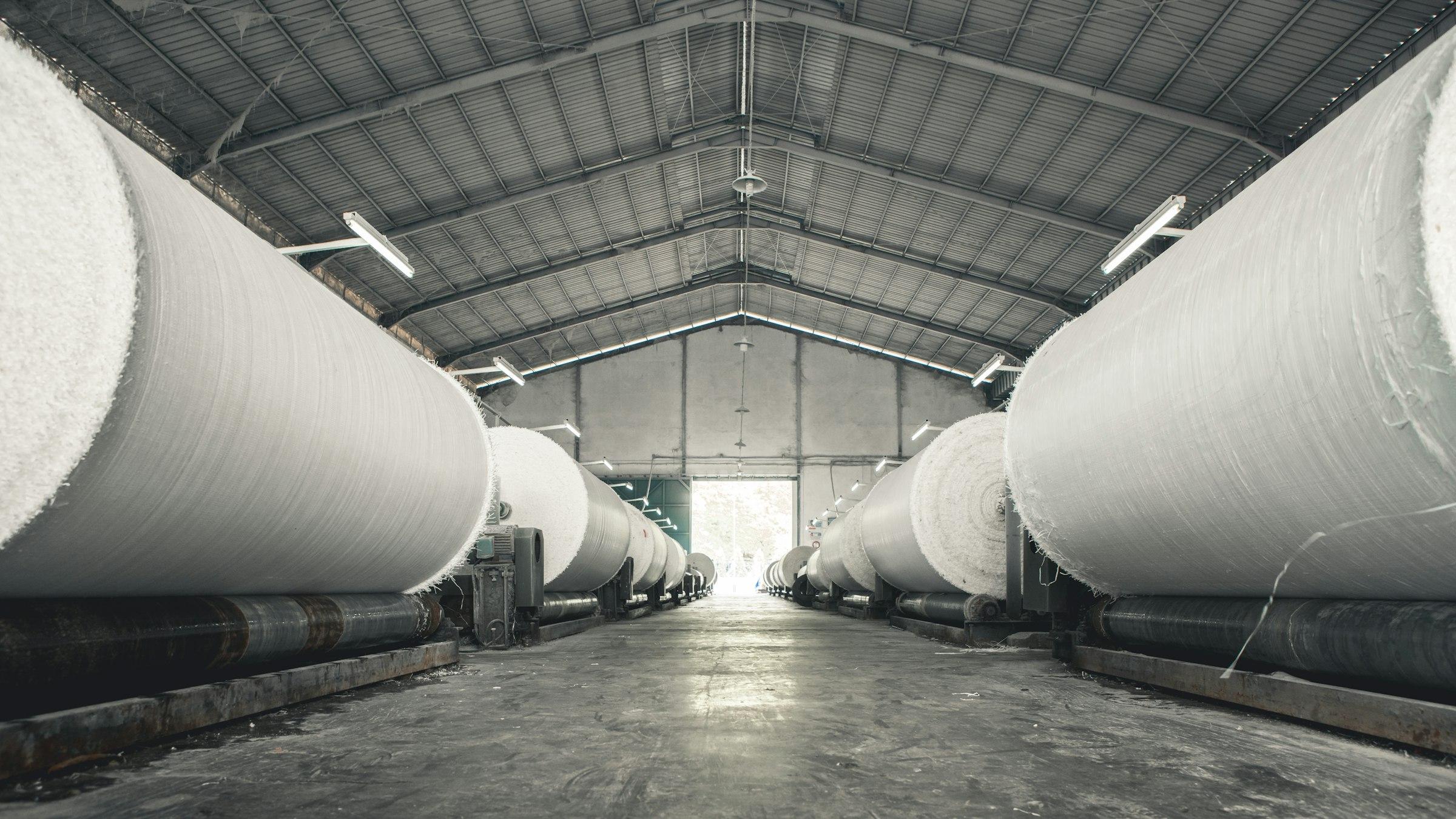
Syntex runs one line: carded, thermally bonded nonwoven, with lamination. Each roll is engineered for a specific layer in a specific product, then held to that specification lot after lot.
About Syntex01
Built to the layer
Every specification starts from where the web sits in the finished product.
02
Measured at every lot
Basis weight, permeability, and tensile are recorded against each run.
03
Partner to converters
We supply the people who make finished goods. We never compete with them.
Industries
Substrates for the products the world runs on.
Six markets with six different definitions of a good web. Each one has its own specification, its own test methods, and its own Syntex construction.
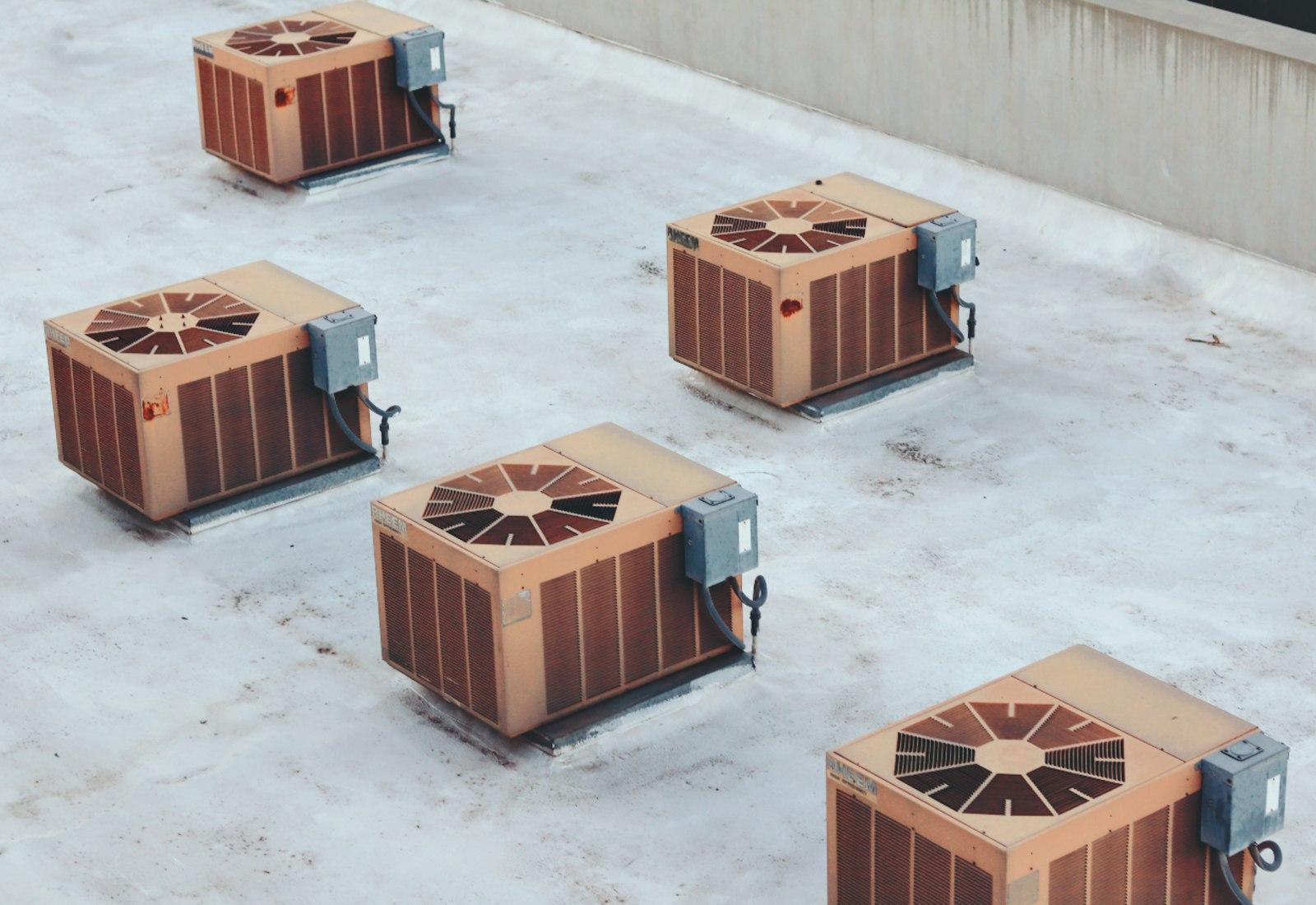 01FiltrationAir FiltrationResidential and commercial HVAC mediaResidential HVACCommercial HVACLaminated filter builds
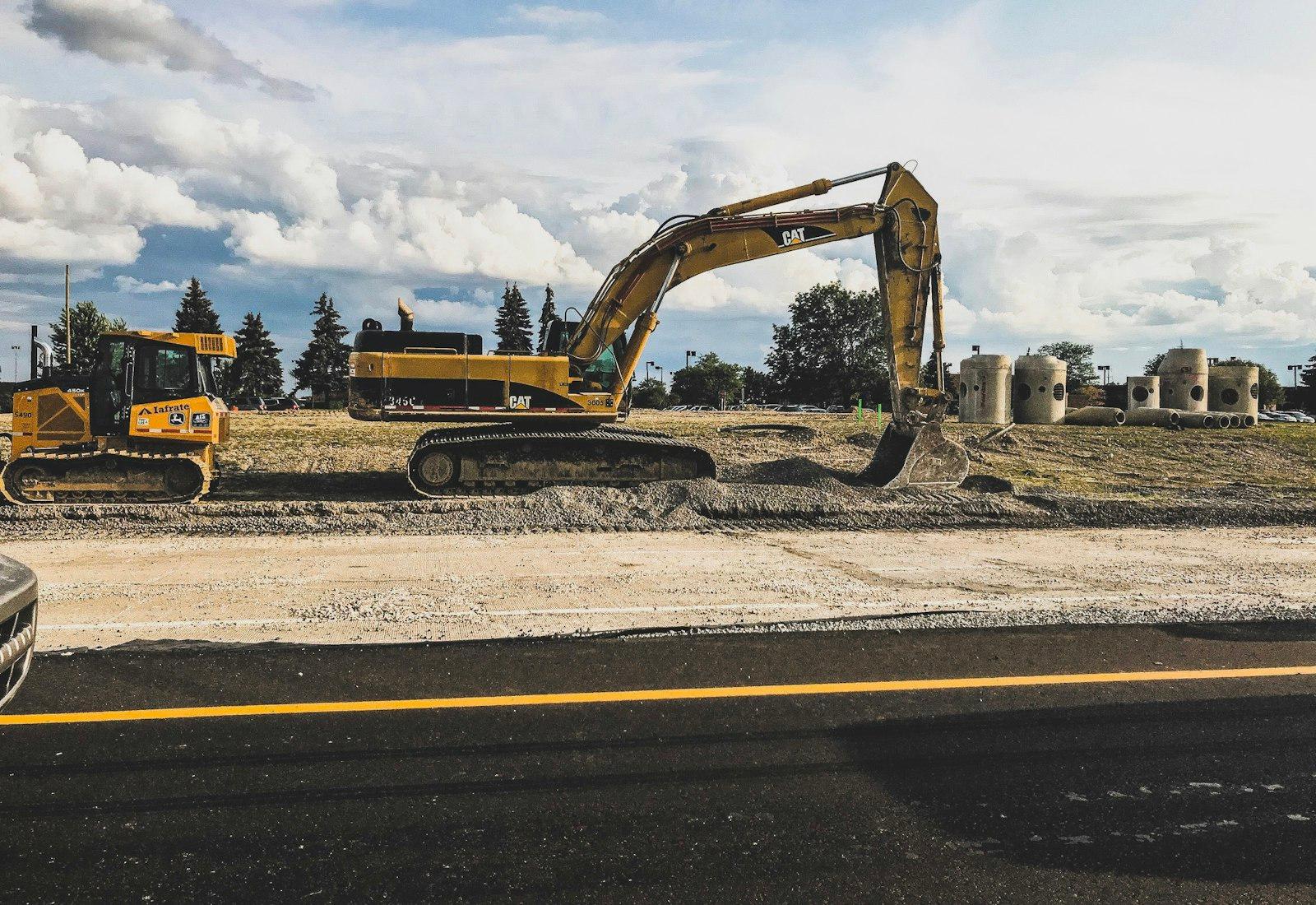 02InfrastructureGeotextilesSeparation, filtration, drainage, protectionLightweight separationFiltration fabricsLaminated drainage
 03MobilityAutomotiveInterior substrates, acoustics, and laminated buildsHeadliner substratesTrunk, floor, and wheel-arch linersAcoustic pads
 04CarePersonal HygieneFeminine care and adult incontinenceFeminine careAdult incontinenceUnderpads
 05CareInfant CareDiaper and training-pant nonwovensBaby diapersTraining pantsChanging and care
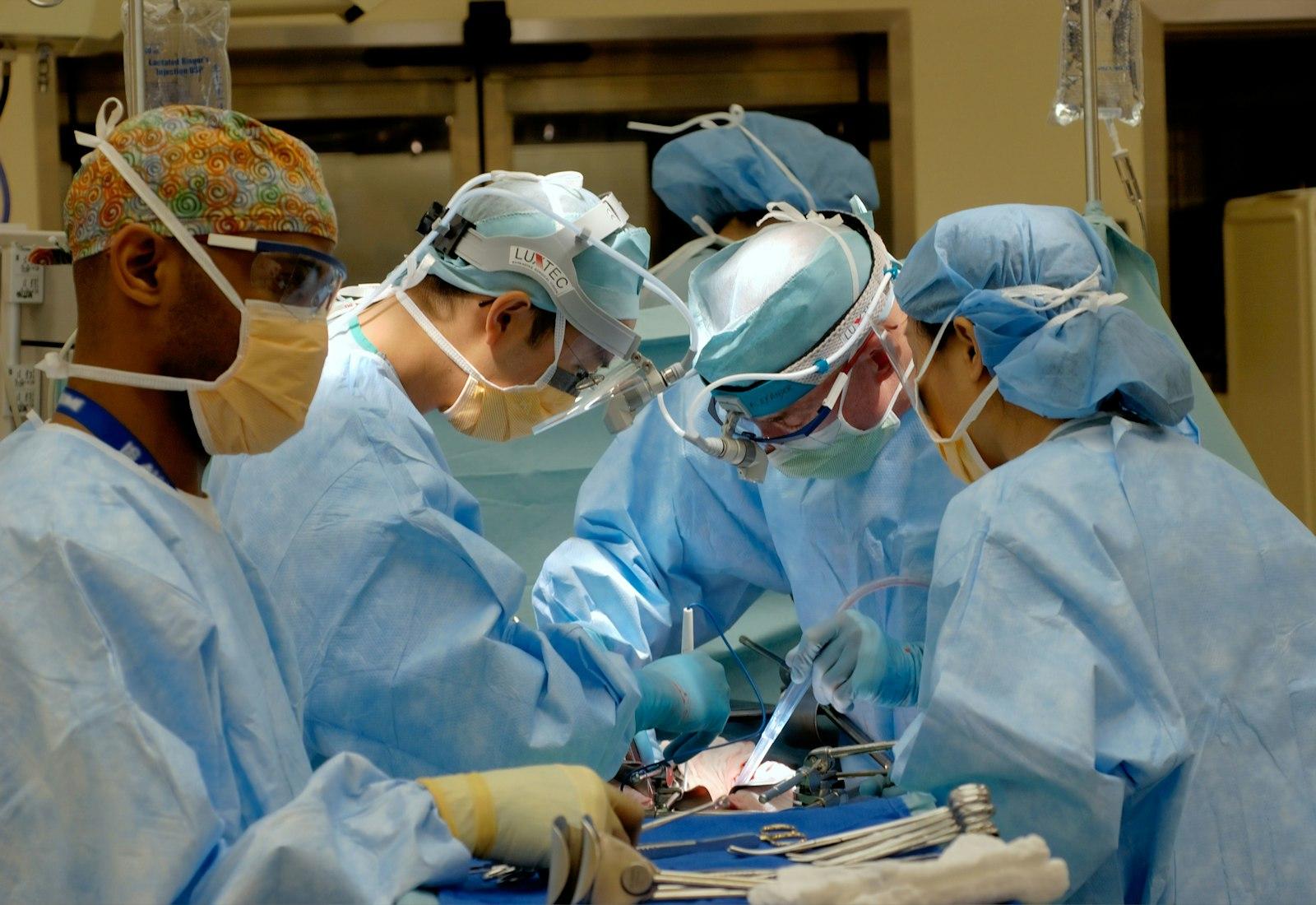 06CareMedicalCarriers, covers, and laminated medical buildsTape and device backingsDressing carriersLaminated covers
The Syntex difference
We make the web. You make the product.
Syntex supplies roll goods only. The line forms the carded web and can laminate it. Pleating, molding, and the finished product stay with our customers.
Products
One line. The web, and the laminate.
Every roll starts as a carded, thermally bonded web. Lamination adds a second layer when the construction calls for it.
- 01Carded thermal bondThe web this line makesStaple fiber is carded into a web and bonded with heat. Basis weight, fiber blend, and the thermal bond set the hand, the strength, and how the sheet converts.Polyester
- 02LaminationA second layer, bonded on the same lineThe carded web can be laminated to a film, a scrim, or another sheet and wound as one roll. The second layer is specified by the program.Film
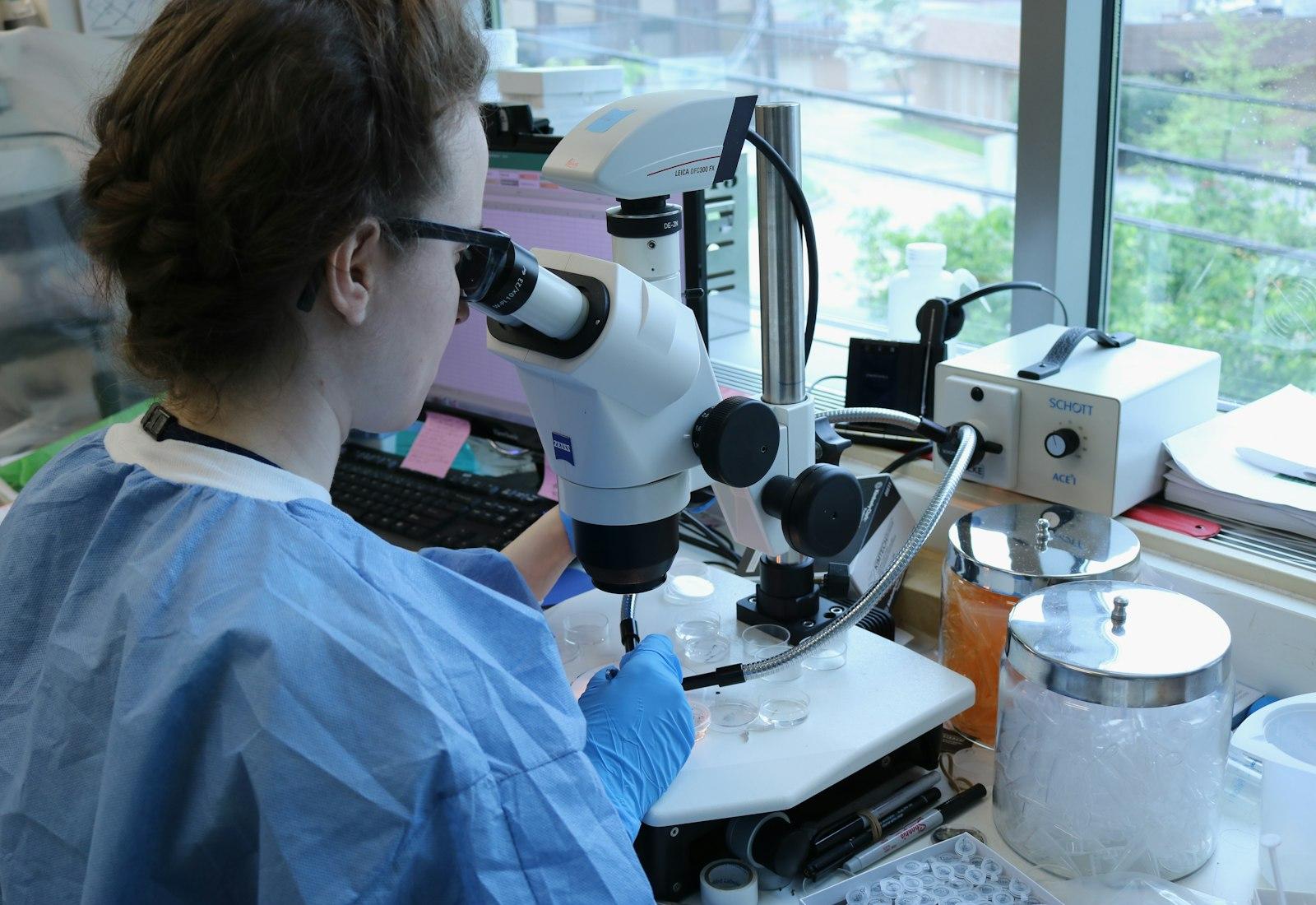
Physical testing · Lot release
Innovation
Engineered at the fiber. Proven at the roll.
Carding, thermal bonding, and lamination on a single line, and a laboratory that tests to the method your finished product is bought against.
Carding
Staple fiber opened, blended, and carded into a web at the specified basis weight.
Thermal bonding
Heat bonds the carded web. The bond is part of the specification, not a default.
Lamination
The carded web bonded to a film, scrim, or second sheet and wound as one roll.
Slitting and winding
Finished rolls slit and wound to the converting line.
From brief to supply
01
Brief
End use, the layer the web occupies, and the test the finished good is bought against.
02
Design
Fiber, basis weight, thermal bond, finish, and whether the roll is laminated.
03
Trial roll
A sample run on agreed width, core, and length, for measurement on your line.
04
Qualification
Measured results reviewed against targets until the web runs and passes.
05
Supply
Production lots held to the qualified targets, every roll traced to its run.

Sustainability
Less fiber. The same specification.
The best sustainability lever in nonwovens is a web that does the same job with less material. We design for that first.
Material efficiency
Lighter carded webs that still meet the specification, so every product uses less fiber for the same job.
Reclaim at the line
Edge trim and start-up fiber returned to the blend where the recipe and the application allow.
Mono-material design
Single-fiber constructions where the end use permits, so a laminate is simpler to recycle.
Useful layers
The webs sit in filters, drainage fabrics, vehicle interiors, hygiene products, and medical carriers.
Knowledge center
Technical insight for substrate buyers.
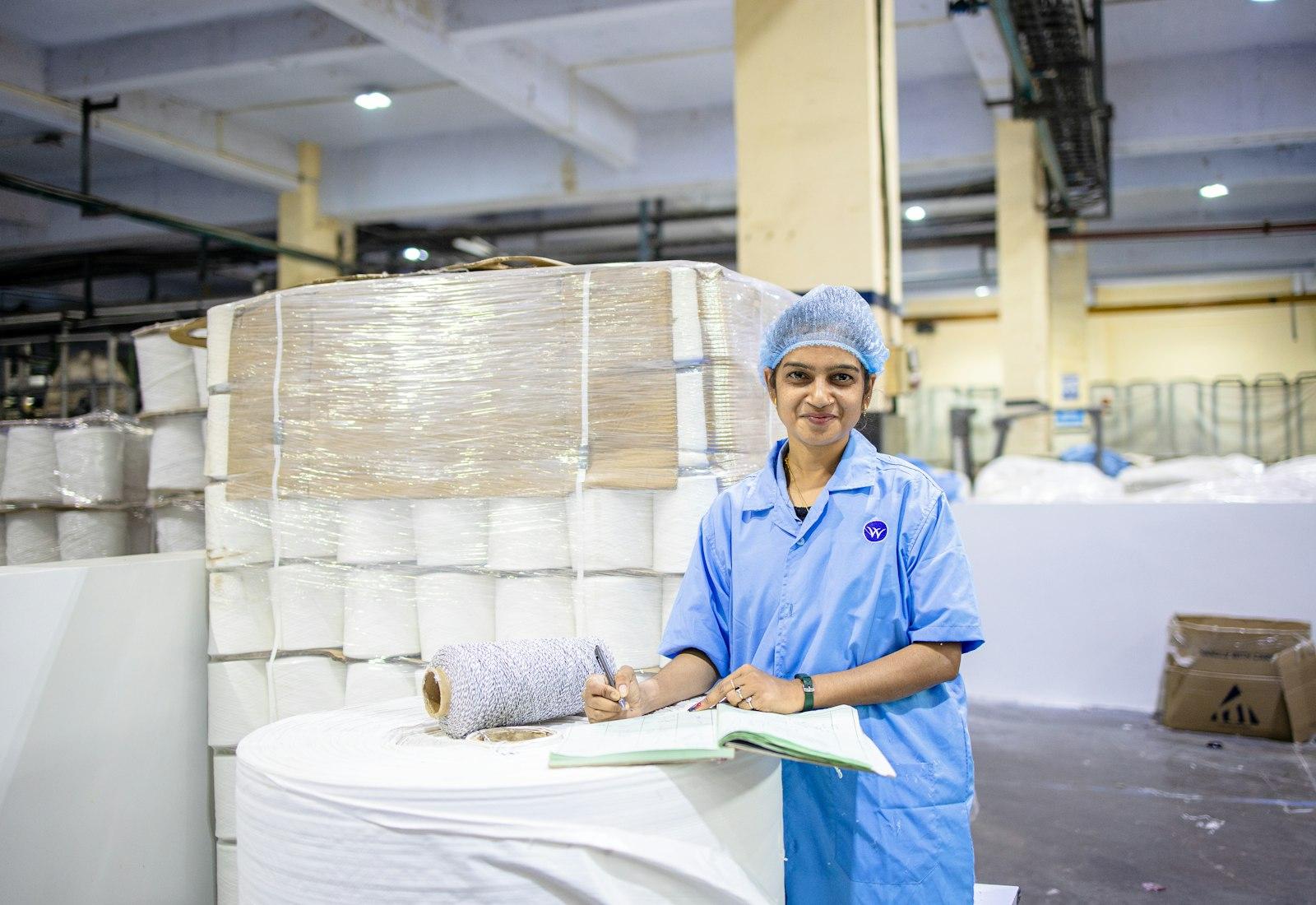 Guide · 4 min readHow to write a nonwoven substrate specificationThe five things a supplier needs to quote, sample, and hold a web to target.
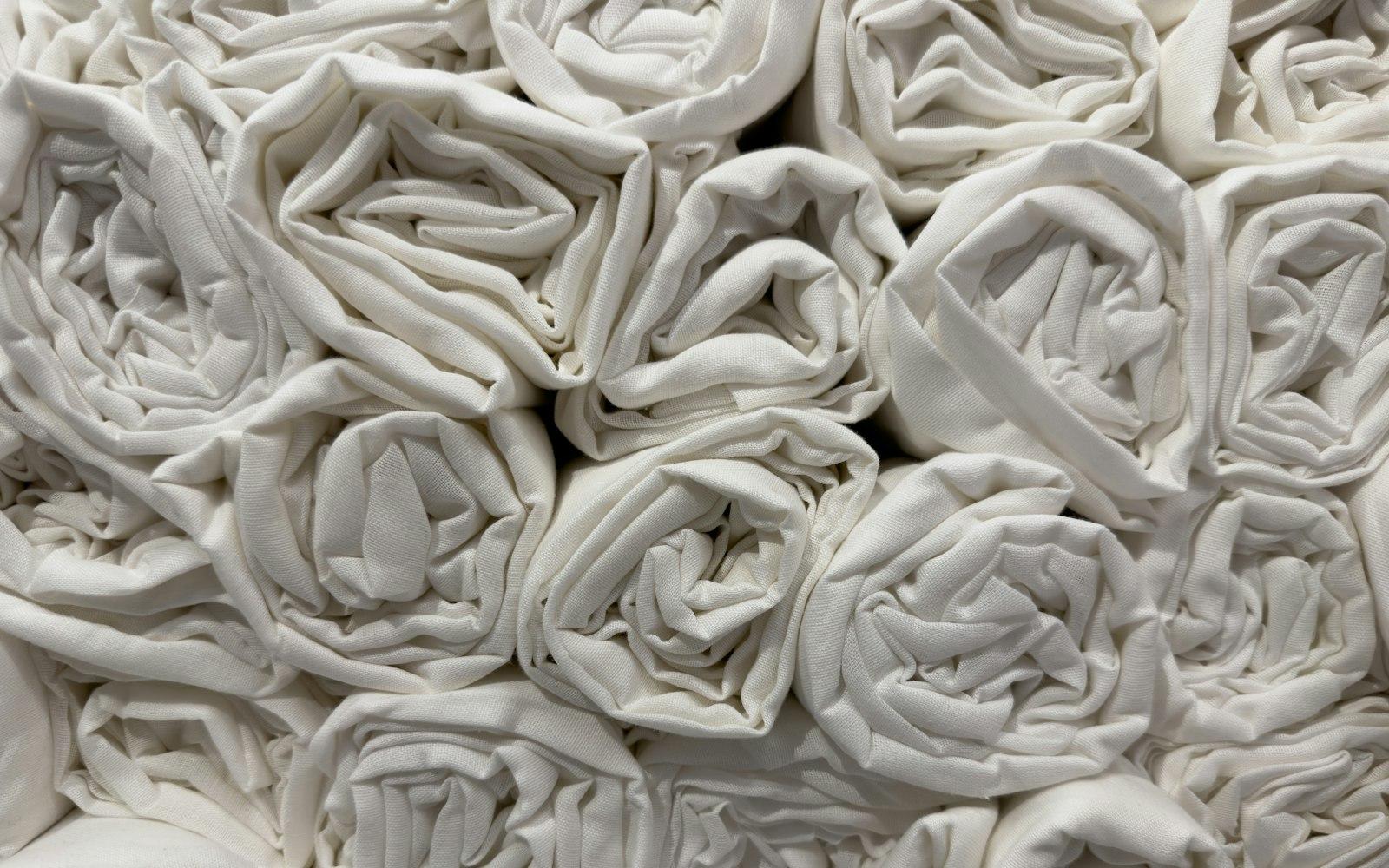 Technology · 3 min readWhen a carded web should be laminatedWhat changes when the thermally bonded web leaves the line bonded to a second layer.
- Infrastructure · 3 min readGeotextile test methods for a carded fabricWhat grab tensile, permittivity, and apparent opening size tell an engineer about a lightweight carded sheet.
Work with Syntex
Start a substrate program.
Tell us the end use and the layer. Our applications team replies with a proposed construction and a path to a sample.